What info should you have ready when calling a vehicle lockout service?
When you find yourself locked out of your car, the first call you make is to a vehicle lockout service. The faster you can give the dispatcher the right details, the sooner help arrives. Knowing what information to provide saves time and reduces stress, especially in an emergency.
A vehicle lockout service needs three categories of information: your location, a description of the vehicle, and proof that you are the owner. Having these ready before you dial makes the whole process smoother.
Your exact location
The most urgent piece of information is where you are. Give the dispatcher the street address or the nearest intersection. If you are in a large parking lot, mention the store name or a landmark like a specific entrance. For a highway breakdown, state the road name, the direction you are traveling, and the nearest mile marker or exit number. If you are in a remote area, use your phone's map app to get coordinates and share those.
Be as precise as possible. A vague location like "the mall parking lot" can send the technician to the wrong side of a huge complex. The more specific you are, the less time is wasted searching for your vehicle.
Vehicle details
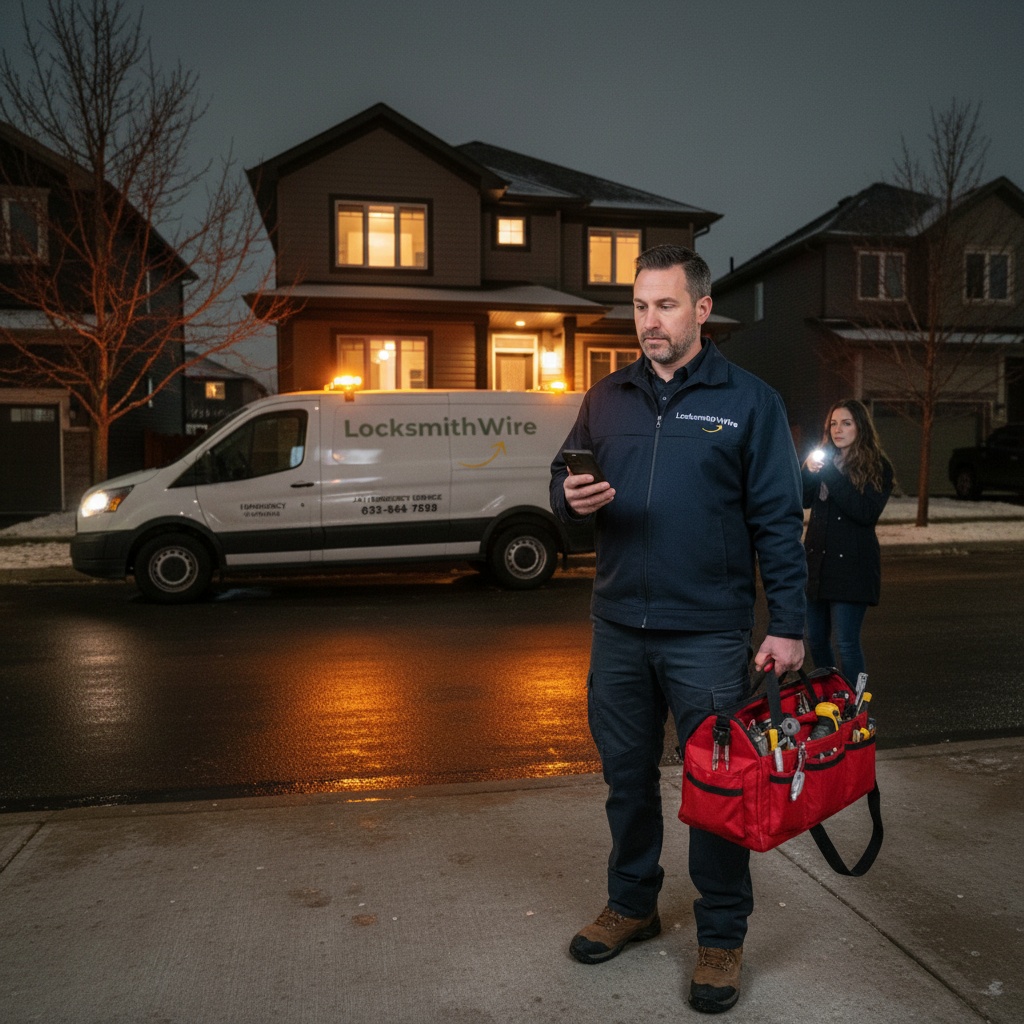
The technician needs to know exactly what kind of car they are dealing with. Have this information ready:
- Make, model, and year of the vehicle.
- Color and any distinctive features (e.g., roof rack, stickers, aftermarket rims).
- License plate number.
- Type of lock and key system. Is it a traditional metal key, a key fob, a push-to-start system, or a transponder key? Does the car have a keyless entry pad on the door?
Knowing the lock type helps the technician bring the right tools. For example, a vehicle with a dead battery in the key fob may need a different approach than one with a broken ignition key. If the key is stuck in the lock cylinder, mention that too. The more the technician knows upfront, the faster they can resolve the issue.
Proof of ownership
A reputable vehicle lockout service will ask for proof that you own or have permission to access the vehicle. This is a standard safety measure to prevent theft. Be ready to show your driver's license and the vehicle registration. If the registration is locked inside the car, the technician may accept other forms of identification and proof, such as a recent insurance card or a utility bill with the vehicle's VIN listed. Some services will also ask for a signed authorization if you are calling on behalf of someone else.
Having the vehicle identification number (VIN) handy is a good idea, even if you have the registration. The VIN is usually visible through the windshield on the driver's side dashboard. The technician may use it to confirm the vehicle's details in their database.
Roadside safety considerations
While you wait, prioritize your safety. If you are on a busy road, stay inside the vehicle with your seatbelt fastened until help arrives. If you must exit, do so on the passenger side away from traffic. Move the car to a safe spot if it is possible and safe to do so. Turn on your hazard lights to alert other drivers.
If you are in a remote or unfamiliar area, let someone know where you are and that you have called for assistance. Keep your phone charged and accessible. Avoid leaving the vehicle unattended for long periods.
What to do if the key fob battery is dead
A common reason for a lockout is a dead battery in the key fob. Many modern cars have a hidden mechanical key inside the fob. Look for a small release button or switch on the fob that lets you slide out a traditional key blade. Use that to manually unlock the driver's door. If the car has a push-to-start system, you may need to hold the fob near the start button or insert the key into a backup slot. Check your owner's manual for the exact procedure.
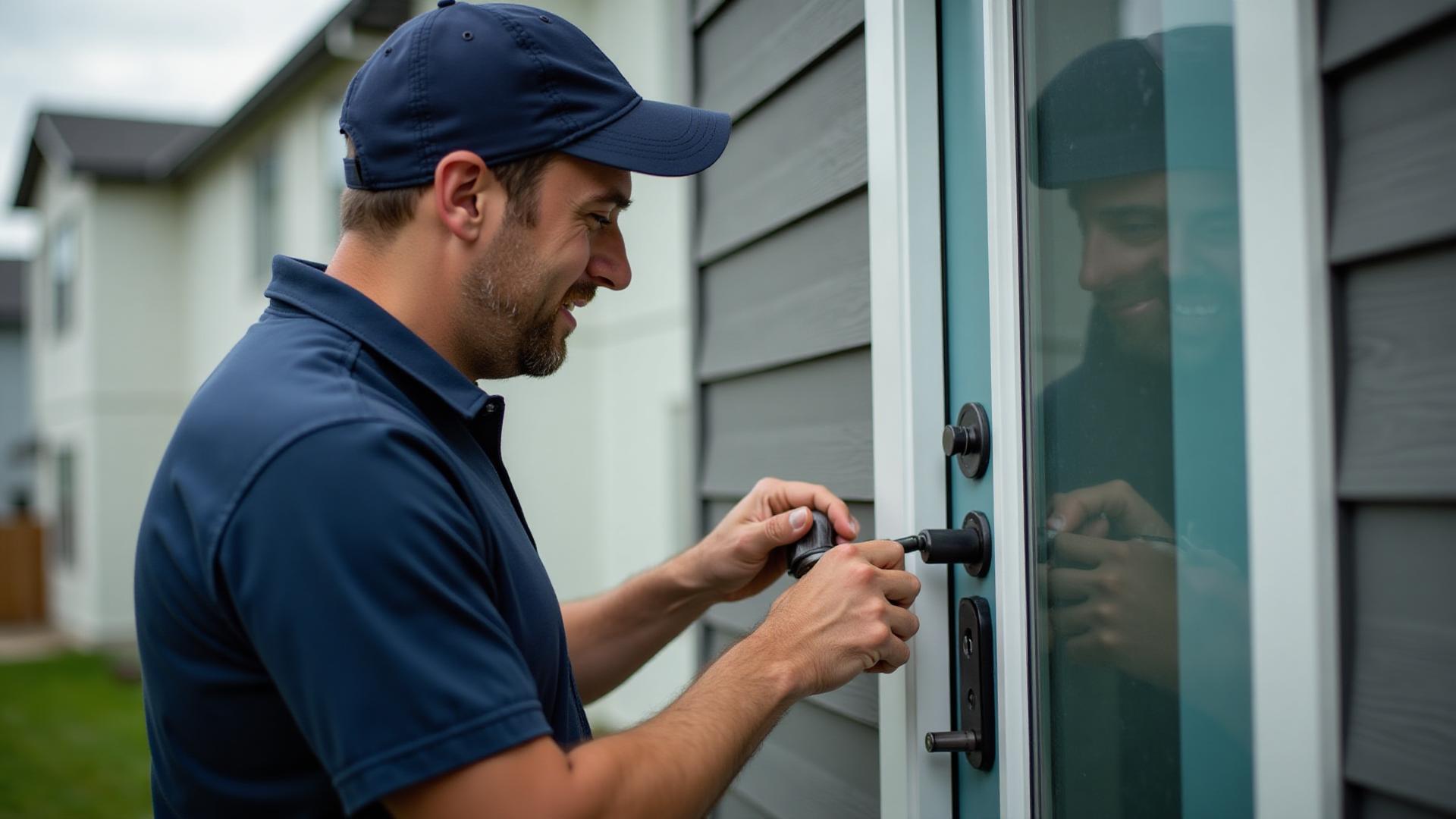
If you cannot find the mechanical key or it does not work, let the vehicle lockout service know that the fob battery is dead. They have tools to unlock the door without damaging the vehicle, and they can help you access the ignition system.
When the key is broken in the lock
A broken ignition key or a key snapped off in the lock cylinder is more complex than a simple lockout. Do not try to remove the broken piece yourself with pliers or tweezers, as you risk damaging the lock further. Instead, explain the situation to the dispatcher. A skilled automotive locksmith can extract the broken key and either repair the lock or cut a new key from the code. Having the key's code or a duplicate key available speeds up the process.
If you have a transponder key, the replacement must be programmed to your vehicle's immobilizer system. That requires specialized equipment that not every roadside service carries. When you call, ask if the technician can handle transponder key programming. A service like LocksmithWire typically has the tools to program transponder keys and work with modern electronic systems.
What to do if the lock cylinder is frozen
In cold climates, the lock cylinder can freeze, preventing the key from turning. Do not force the key, as it may break. Instead, use a commercial de-icer or warm the key with a lighter (but keep it away from the car's paint). If that does not work, call the vehicle lockout service. They can safely thaw the cylinder without damaging the seals or wiring.
Preparing for the technician's arrival
Once the technician is on the way, clear the area around the driver's door. Remove any objects that could get in the way, like snow, ice, or debris. If you have a second set of keys inside the car, let the technician know. They may be able to use a tool to retrieve them through a small gap in the window.
Have your identification and ownership documents ready to show. When the technician arrives, step back and let them work. Do not try to help or interfere, as they are trained to open vehicles without causing damage. If you have any specific concerns about the car's alarm system or aftermarket locks, mention them before they start.

After the lockout is resolved
Once you are back inside, check that all windows and doors are secure. If the key fob battery was dead, replace it as soon as possible. If the lock cylinder was damaged during the extraction, have it inspected or replaced by a professional. Keep the technician's contact information in case you need follow-up service.
A vehicle lockout can happen to anyone, at any time. Being prepared with the right information makes the experience less stressful and gets you back on the road faster. Keep a printed card in your wallet with your vehicle's make, model, year, VIN, and lock type. That way, even if you are flustered, you have the details handy. And remember, a reliable service like LocksmithWire can handle everything from a simple door unlock to complex transponder key programming, so you are in good hands.